
The rise and transformation of gambling through history
The Origins of Gambling
Gambling has deep roots in human culture, tracing back thousands of years to ancient civilizations. Archaeological findings suggest that people engaged in games of chance as far back as 3000 BC in regions like China and Mesopotamia. These early games often involved rudimentary dice or betting on the outcomes of various events, indicating that the allure of risk and reward has always been a part of human nature. It’s interesting to note that today, many players seek options like casinos not on gamstop to ensure a safer gambling experience.
In ancient Rome and Greece, gambling took on more structured forms, with a variety of games that included betting on chariot races and gladiatorial contests. These activities were not merely recreational; they were also a means of social interaction and entertainment, paving the way for the gambling culture we recognize today.
The Evolution Through the Ages
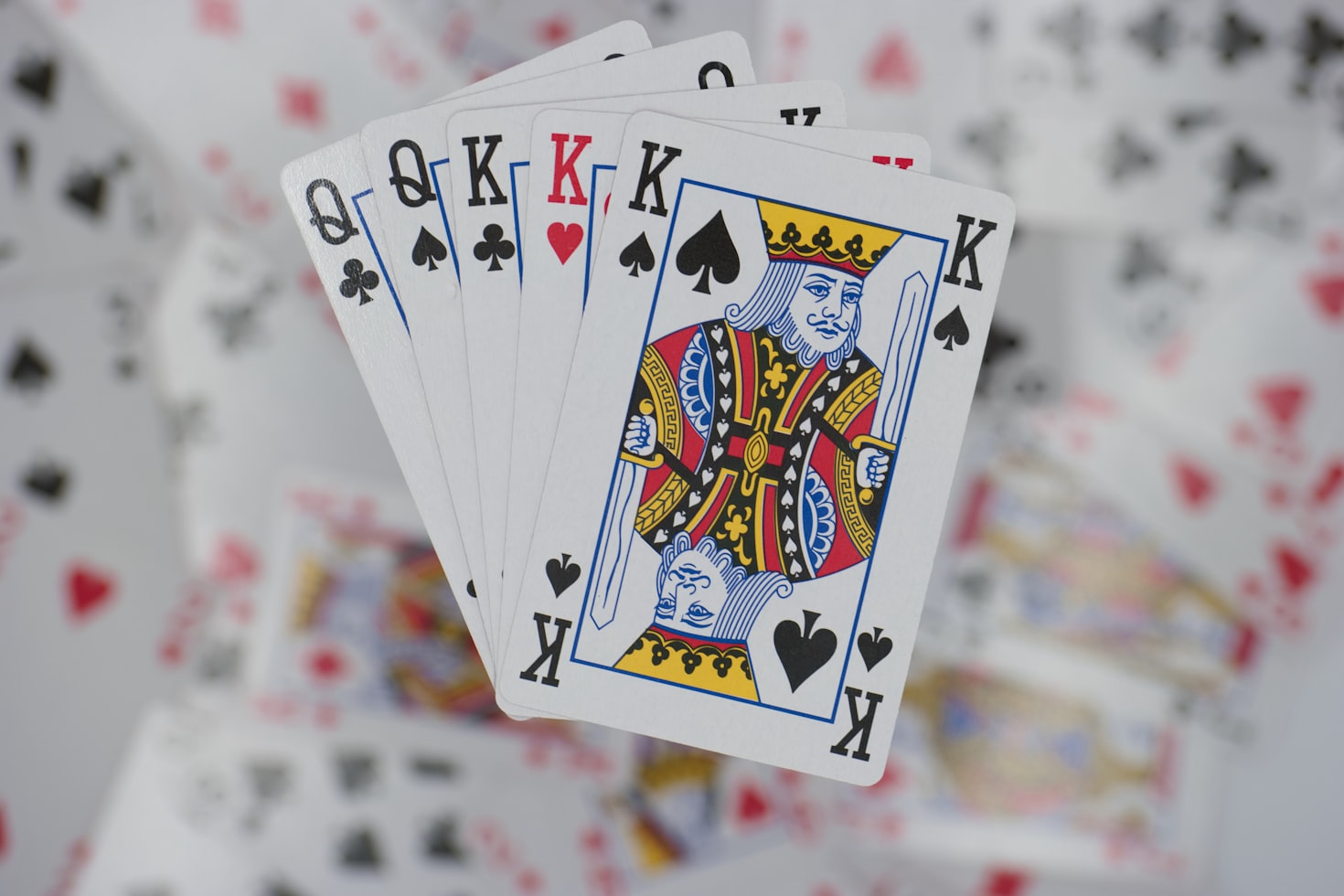
The Middle Ages witnessed a transformation in gambling practices, particularly in Europe, where various games were formalized and regulated. The introduction of playing cards in the 14th century provided a new avenue for gambling, which quickly became popular among all social classes. Gambling houses began to emerge, offering a space for people to engage in games of chance while fostering a sense of community and shared excitement.
The Renaissance marked a significant period of change, as gambling became intertwined with the rise of new economic philosophies. The concept of risk became more understood, leading to the establishment of formal gambling regulations, including lotteries to fund public projects. These developments set the stage for the gambling industry to grow into a more organized and widespread phenomenon.
The Modern Gambling Industry
The 19th century heralded a new era in gambling with the establishment of casinos and the proliferation of horse racing. This period saw gambling becoming a significant industry, attracting attention from governments eager to regulate and tax the activities. The introduction of slot machines and the spread of card games contributed to the expansion of gambling venues across the globe.
The advent of the 20th century brought further innovations, particularly with the legalization of gambling in several states and countries. This shift not only increased participation but also encouraged the development of more sophisticated gaming technologies, such as electronic gaming machines and online platforms, revolutionizing the way people engage with gambling.
Responsible Gambling Practices
As the gambling industry has grown, so has the importance of promoting responsible gambling practices. Awareness campaigns and regulatory measures are now in place to help individuals recognize the signs of problem gambling and to encourage moderation. Operators are increasingly expected to provide tools and resources that empower players to manage their gambling behavior effectively.
Organizations and governments are working collaboratively to ensure that those who gamble do so in a way that is safe and enjoyable. This includes establishing helplines, educational programs, and support services aimed at reducing the risks associated with gambling while promoting a healthier approach to this age-old activity.

Conclusion and Our Commitment
As we reflect on the rise and transformation of gambling through history, it’s clear that this activity has evolved significantly while remaining a fascinating aspect of human culture. Our website is dedicated to educating individuals about responsible gambling practices, providing essential resources, and fostering a safe environment for all. By promoting awareness and understanding, we hope to contribute positively to the ongoing conversation surrounding gambling and its impact on society.
We invite you to explore our content, engage with the community, and join us in advocating for safer gambling practices. Together, we can navigate the complexities of gambling responsibly and ensure it remains a form of entertainment that brings joy rather than distress.

Leave A Comment